A Writing Hope Kit: Blessing on the Nature of the Cat

By Doria Ruhl (SDAWP 2024)

During SDAWP’s Spring Conference on Saturday, March 1st, I attended Stacey Goldblatt’s session on constructing a Hope Kit through writing. Of the many ways to write for resilience — so excitedly and interestingly presented by Stacey — I chose to write a blessing inspired by the mentor text provided, “Blessing on the Smell of Dog”, found in Chants, Charms, and Blessings by Joyce Sidman. Because the blessing we read featured a dog, I drew from my own experience of being a long-time cat mom, and wrote my own, about the nature of the cat. Thank you, Stacey, for the inspiring session!

Blessing on the Nature of the Cat 

by Doria Ruhl 


May the cat always stand on the counter. 

Up high, statuesque, 

nimble in jumps, holding her ground. 

May we forgive her 

for the little pillow prints on the stove, 

as she so diligently investigates 

that we’ve not forgotten it on 

in the haste of a speedy weekday coffee 

or in the slow of a sleepy weekend breakfast. 

May we forgive the litter she scatters around the floor, 

as we took away her world outdoor. 

May cat whiskers tickle sleeping cheeks too early, 

and may we forgive midnight zoomies 

as she activates protective shields around the house. 

May we praise instead the gentle curling up in bed, 

in the nooks of our sleeping bodies, 

like a hot water bottle: den, comfort, home.

Blessing on the Smell of Dog

by Joyce Sidman


May the dog always smell of Dog.


May his scent seep through

perfumed shampoos

like the rich tang of mud in the spring.


May the grass cling to his paws,

the loam to his belly;

may his fur hold the wind's breath.


May we forgive him

his whiffs of carrion and scat

from the treasures he gathers so diligently.


As we turn from all that is false,

may we praise instead

the warm scent buried like a promise

in that deep-hearted chest:

den, comfort, Home.
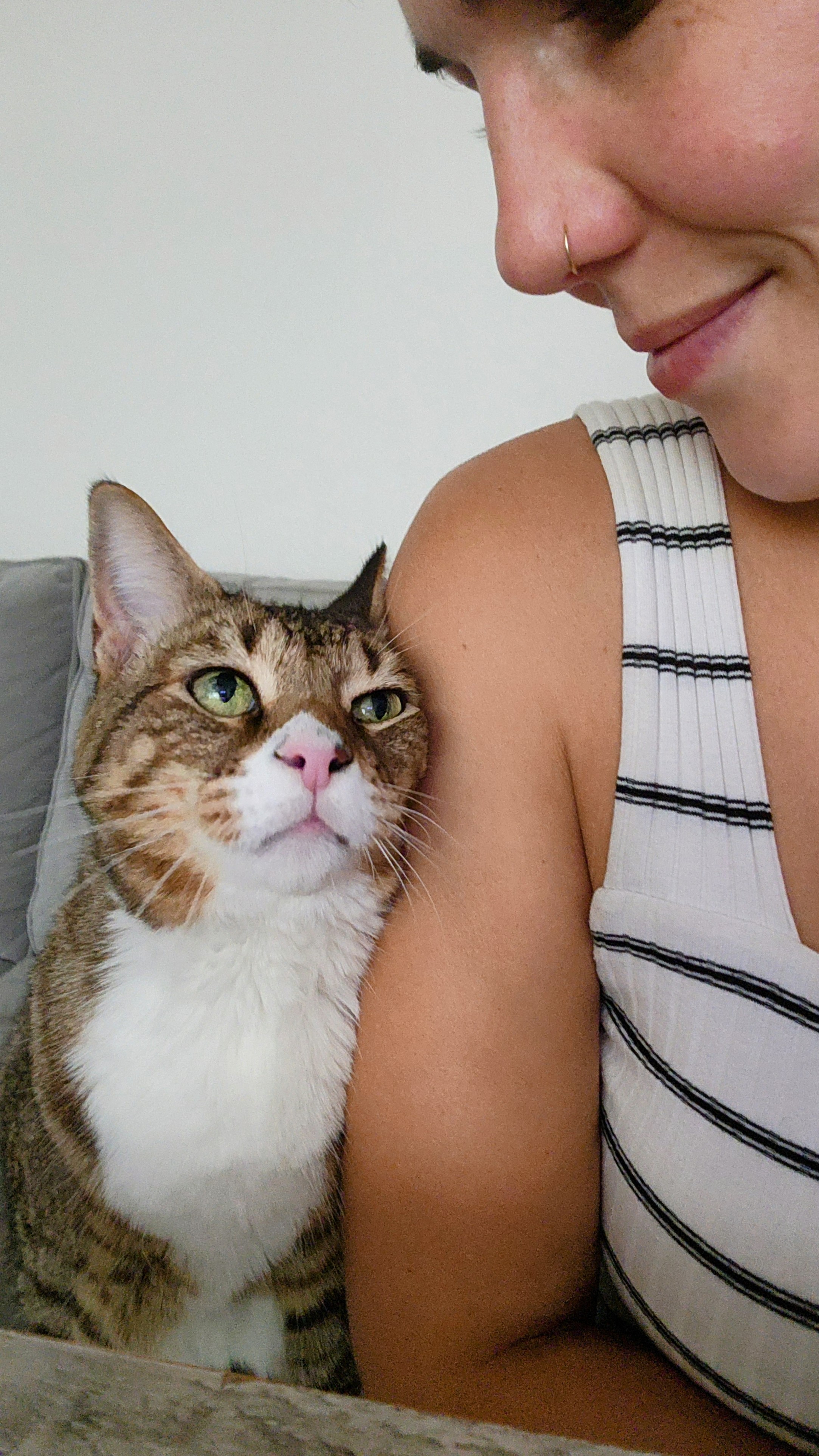
“Time spent with cats is never wasted.” —Doria Ruhl

Strongly, Patiently, Imperfectly: The Craft of Revision

From the classroom of Wendy Schramm (SDAWP 2016)

There are times when it pays to sit next to a master and allow their hand to rest gently over yours and guide your pen as you write. 

This is the sense of comfort that I try to instill in my students as they work with mentor texts. It is also that metaphorical hand—soft, gentle, blue-veined and knowing—that has allowed my students to become increasingly comfortable with revising their own work. Here, then, is a small writing adventure that bears witness to the power of first living through another’s words and then making them your own.

In October (a lifetime ago), I decided to test out the waters of Write Out, a “two-week celebration of writing, making, and sharing inspired by the great outdoors” that is jointly sponsored by the National Parks Service and the National Writing Project. Among the writing prompts offered in support of this year’s theme, “Poetry for the Planet,” was a Choice Board that is still very much alive. We (my seventh grade students and I) chose the blue dot with the image of a buffalo and the writing invitation to “be inspired by ‘the earth Is a living thing,’ by Lucille Clifton.”

the earth is a living thing

by Lucille Clifton

is a black shambling bear
ruffling its wild back and tossing
mountains into the sea

is a black hawk circling
the burying ground circling the bones
picked clean and discarded

is a fish black blind in the belly of water
is a diamond blind in the black belly of coal

is a black and living thing
is a favorite child
of the universe
feel her rolling her hand
in its kinky hair
feel her brushing it clean

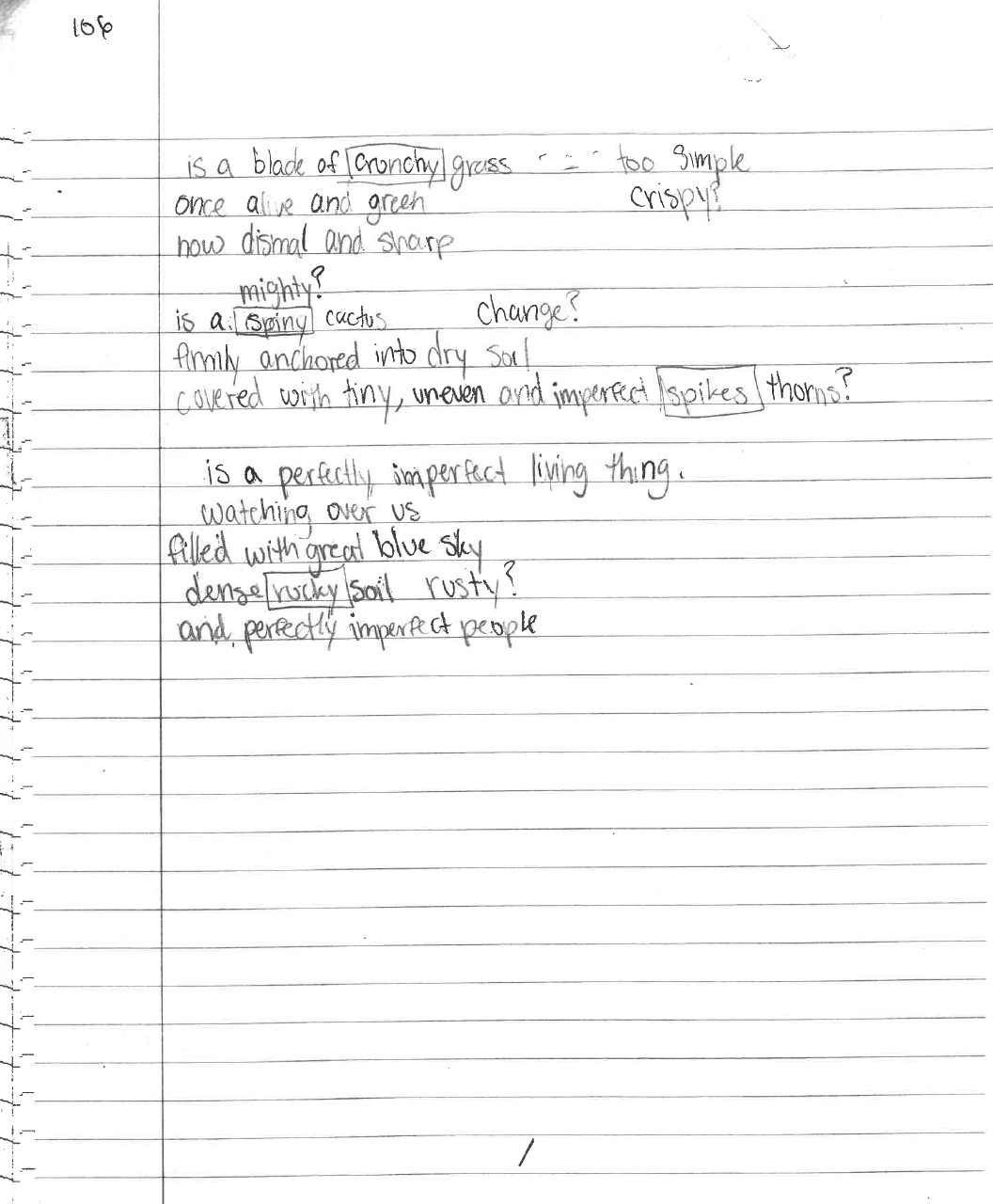
The students first pasted a copy of the poem in their writers’ notebooks, and then went on an observation-gathering walkabout on campus: strolling, watching, and then sitting quietly to jot down notes and to compose a poem using Clifton’s poem as a mentor text. 

I did the same.

I rarely write when my students do, although professionals whom I admire exhort us to do just that. When my students are hard at work in their notebooks, there always seems to be an email to answer, a desk to tidy, or a planbook to update; however, this time I took the time.
Upon returning to the classroom but before the students plucked a golden line to share aloud from their own writing, we took a look at my poem. I told them where I struggled and why. They offered thoughtful suggestions. One of their suggestions I took, another I did not, which led to a rich discussion of an author’s prerogative to accept or reject a recommendation while explaining the reasoning behind one choice or the other. Such discussions help to dispel the notion that revision is a one-way conduit from teacher edits to student acquiescence. 

We then, each with our own poem, engaged in a three-minute “flash revision,” focusing on four key elements: replace, add, delete, rearrange, with the final recommendation that they should take a brief vacation from their work and post their final versions the following day. 

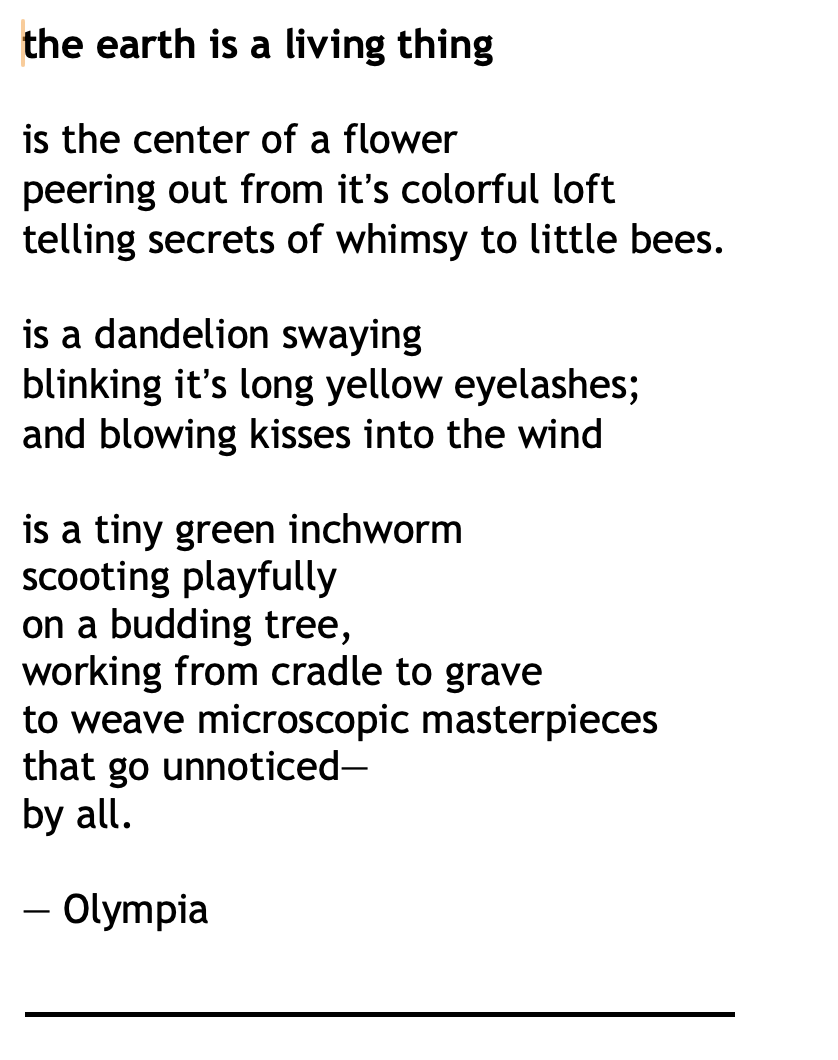
What I did not expect was how greatly many of these poems differed from what they had composed in their writers’ notebooks—more nuanced, more self-assured, more celebratory of the fact that they are, indeed, writers:

Middle schoolers are notoriously attached to their first drafts, but in extolling the virtues of revision and presenting it with a sense of joy, even seventh graders can begin to grow their writing in unexpected ways, or to borrow from one of them, they can take pleasure in a writing life “filled with imperfect masterpieces.”

This Plus That

From the classroom of Miriam Sikking (SDAWP 2010)

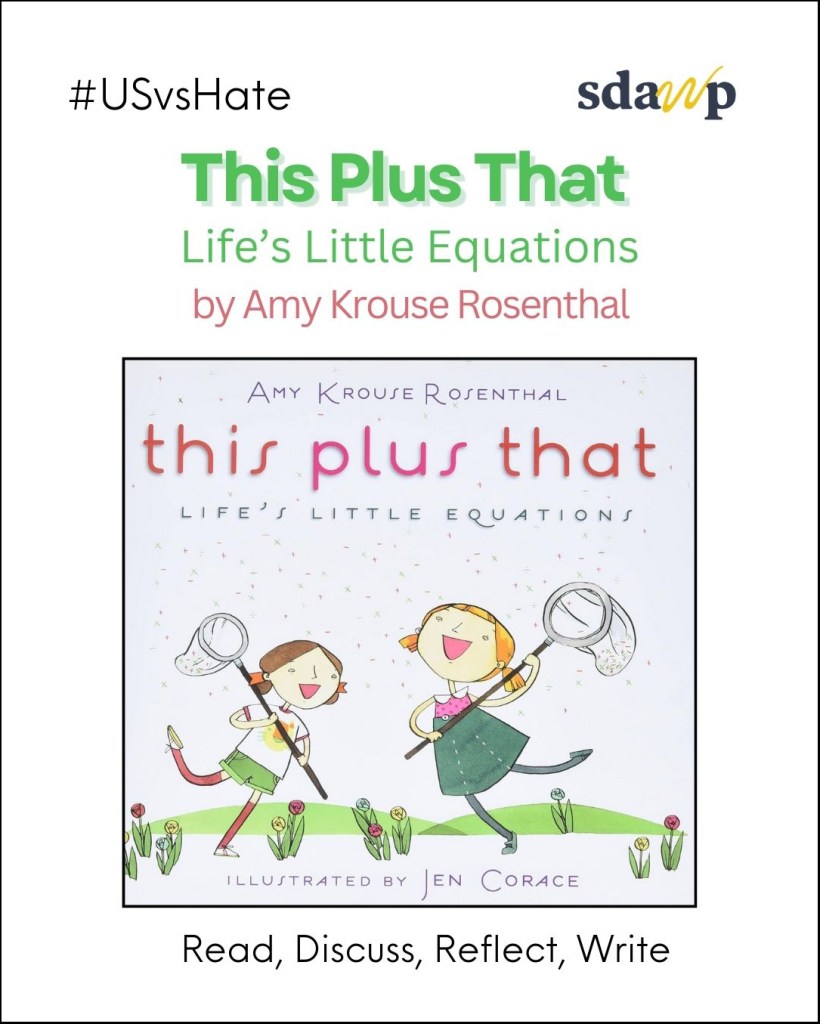
This Plus That: Life’s Little Equations, written by Amy Krouse Rosenthal and illustrated by Jen Corace, explores everyday moments and relationships through simple math equations. This unique format is an invitation to see the ordinary in unique ways.

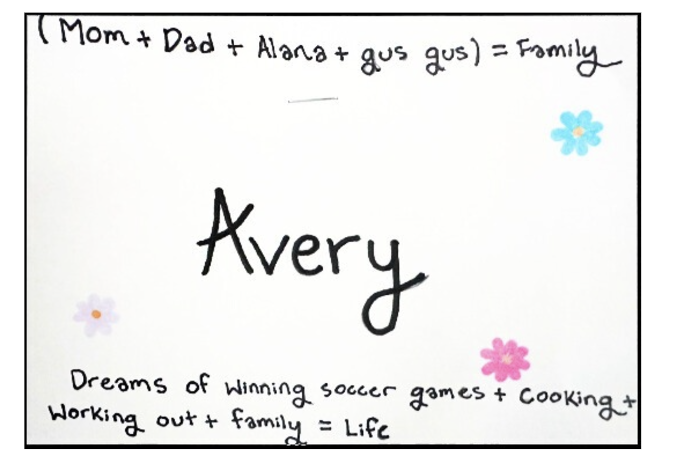
In this lesson, students will reflect on the elements that shape their identities—such as hobbies and interests, life experiences, friendships and family, favorite foods or family meals, culture and heritage, beliefs, and values. They will then create several identity equations that represent these aspects of themselves and will add their favorites to index cards or sentence strips that can be decorated and displayed in the classroom.

How do you help your students explore and take pride in their identities? How do you support them in recognizing and celebrating the identities of their peers to foster an inclusive classroom community?

Step 1: Read This Plus That

“me + you = friends”

“birds + buds = spring”

“I’m sorry + hug = sincere apology”

“smile + wave = hello”

“good days + bad days = real life”

Step 2: Discuss

  • What did you notice?
  • What types of equations are included?
  • Can you relate to any of the equations? 
  • Did any of the equations surprise you? Why?
  • Which one of the equations was your favorite? Why?

Step 3: Reflect

Students brainstorm the things that make them who they are: 

  • experiences
  • hobbies/interests
  • school/grade/age
  • friends/family 
  • favorite food/favorite family meal
  • culture/heritage
  • place of birth/where they live
  • beliefs/values

Step 4: Write

  • Share sample identity equations, including at least one about yourself.
  • Students draft several of their own identity equations. 
  • Pass out index cards and students write their names in the center using bold lettering.
  • Students select one of their equations to write above and one to write below their names. 
  • Decorate as desired.

Student Samples

Link to lesson reel HERE.

Resources:

Amy Krouse Rosenthal website

This Plus That: Life’s Little Equations read aloud from Northern Bright Bookshelf

This Plus That trailer from HarperKids

Amy Krouse Rosenthal Foundation website

Reading + Talk + Writing = Innovative Expression Opportunities! — Blog post from Two Writing Teachers 

This Plus That: Life’s Little Equations (writing, math, & free handout!) — Blog post from love2learn2day

Disambiguation

From the classroom of Courtney Kleffman (SDAWP 2020) 

“Mexican American Disambiguation” by José Olivarez examines the complexities of bicultural identity and explores what it means to be Mexican in the United States. In this lesson, students will read and analyze the poem before crafting their own poems of disambiguation.  The companion slide deck created by Courtney Kleffman is an easy-to-use teaching tool.

What strategies or resources do you use to help students reflect on their multifaceted identities? How do you support them in embracing every part of who they are, understanding that identity is both fluid and inclusive?

Step 1: Listen & Read

How does Olivarez play with the concept of identity and explore the messiness of it?

Listen and Read—“Mexican American Disambiguation after Idris Goodwin” 

Watch—“Mexican-American Disambiguation”

Step 2: Read & Discuss

Highlight all of the labels that Olivarez names throughout the poem.

Round robin:

  • Read a word, phrase, or line aloud that you felt had particular impact
  • Share your thinking, wondering, and/or connect.

Step 3: Write Your Own Disambiguation

Think about your own relationship to identity. Disentangle all of the various versions by writing a disambiguation using some aspect of your identity.

Student sample:

“…call themselves empowered

who are strong after they are put down

which should not be confused with equals

men might call it similar

that’s the strength in me

though the two are cousins…”

Link to lesson reel HERE.

Resources:

Mexican American Disambiguation slide deck from Courtney Kleffman

José Olivarez website

Mexican American Disambiguation” Lesson Plan from LMS Curriculum

Teaching Citizen Illegal  from Teach Living Poets (includes a slide deck for introducing students to Citizen Illegal and “Mexican American DIsambiguation”)

Listen and Read: “Mexican American Disambiguation” 

Watch: “Mexican American Disambiguation”

More by José Olivarez:

Citizen Illegal

Promises of Gold

Home Court (co-author)

The Poetry Gods (podcast co-host)

Use Your Voice with Amanda Gorman

From Janis Jones (SDAWP 1994) and the classroom of Sarah Spinks

Coming Together is a Sesame Street campaign designed to help children embrace their identities in a diverse world. In the “Use Your Voice” video, Amanda Gorman, Bert, and Ernie demonstrate how our voices can be used in powerful and impactful ways.

After watching the video, students will reflect on how they can use their own voices and will write statements beginning with, “I will use my voice to…”

Here are some examples written by first-grade students:

  • I will use my voice to be strong.
  • I will use my voice to help people in need.
  • I will use my voice to be powerful.
  • I will use my voice to make good decisions.
  • I will use my voice to say kind words.

After drafting several “I will use my voice to…” statements, each student will choose their favorite to write on a sentence strip. These strips can be decorated and displayed together on a bulletin board as daily reminders of the positive ways they will use their voices.

Watch the lesson reel HERE.

Resources:

Six-Word Identity Stories

A six-word story is a concise form of writing that tells a story or makes a statement in just six words. Legend has it that Ernest Hemingway once bet fellow writers he could craft a complete story in only six words. He then wrote on a napkin: “For sale: baby shoes, never worn.”

Writing six-word statements offers an accessible way for students to express themselves and can be effective for exploring identity and diversity, especially when students are encouraged to reflect on their cultural heritage, experiences, or beliefs.

Sharing these stories can create a sense of community as students learn more about each other in safe and meaningful ways. Six-word stories can be enhanced by pairing the stories with drawings, collages, or photos, which add depth and meaning.

View the lesson reel HERE.

Resources:

 Crash Course Six Words — video introduction from Six-Word Memoirs

How Six Words Can Spark Conversation About Race in America — video from The Atlantic

How to Write an Unforgettable Six-Word Story from Masterclass

The Race Card Project (website)

The Race Card Project: Six Word Essays from NPR

This Is Pride in Six Words from the Six-Word Memoirs website

Top Six Words for LGBT Pride from the Six-Word Memoirs website

Honoring MLK’s Legacy In Six Words from the Six-Word Memoirs website

Stop the Hatred

From the classroom of Courtney Kleffman (SDAWP 2020) 

“Stop the Hatred” by Wyclef Jean and MC Jin is a powerful music video that advocates for unity to combat racism. The title was inspired by MC Jin’s son, who shouted “Stop the hatred” during a protest rally. The lyrics promote understanding while emphasizing the need for collective action. 

Step 1:  Ensure that students understand the context of the song, which was written in response to the surge in AAPI hate crimes during the pandemic. 

Step 2: Read and discuss the song using the “Three Reads of ‘Stop the Hatred'” protocol and graphic organizer.

  • Reading #1: Watch the music video, noticing which images stand out and how it makes you feel.
  • Reading #2: Read the “Stop the Hatred” lyrics, paying attention to the details and examples used. 
  • Reading #3: Reread the lyrics, focusing on the call-to-action.

Step 3: Free Write

Student Samples:

Watch the lesson reel HERE.

My Voice is a Trumpet

From the classroom of Anne Bartholomew (SDAWP 2019)

My Voice Is a Trumpet, by country music artist Jimmie Allen, celebrates the power of self-expression and encourages young people to make their voices heard. The story illustrates that everyone’s voice—regardless of age or background—can make a difference.

How do you encourage your students to recognize that their voices matter? What books and resources do you use to help them speak up for justice? In what ways do you create opportunities for students to take action on issues that are important to them? 

In this lesson, students will explore the importance of using their voices and will create their own “My voice is” statements, empowering them to stand up and speak out.

Link to lesson reel HERE.

Resources

Related books:

#USvsHate: Student voices are needed now more than ever!

Watch the submission reel HERE.

Easy steps for submitting student messages:

Step 1: Go to the #USvsHate Learn More page

Step 2: Scroll down to “How do I submit?”

Step 3: Review the #USvsHate Submission Checklist and complete all required items.

Step 4: Complete the simplified #USvsHate Submission Form.


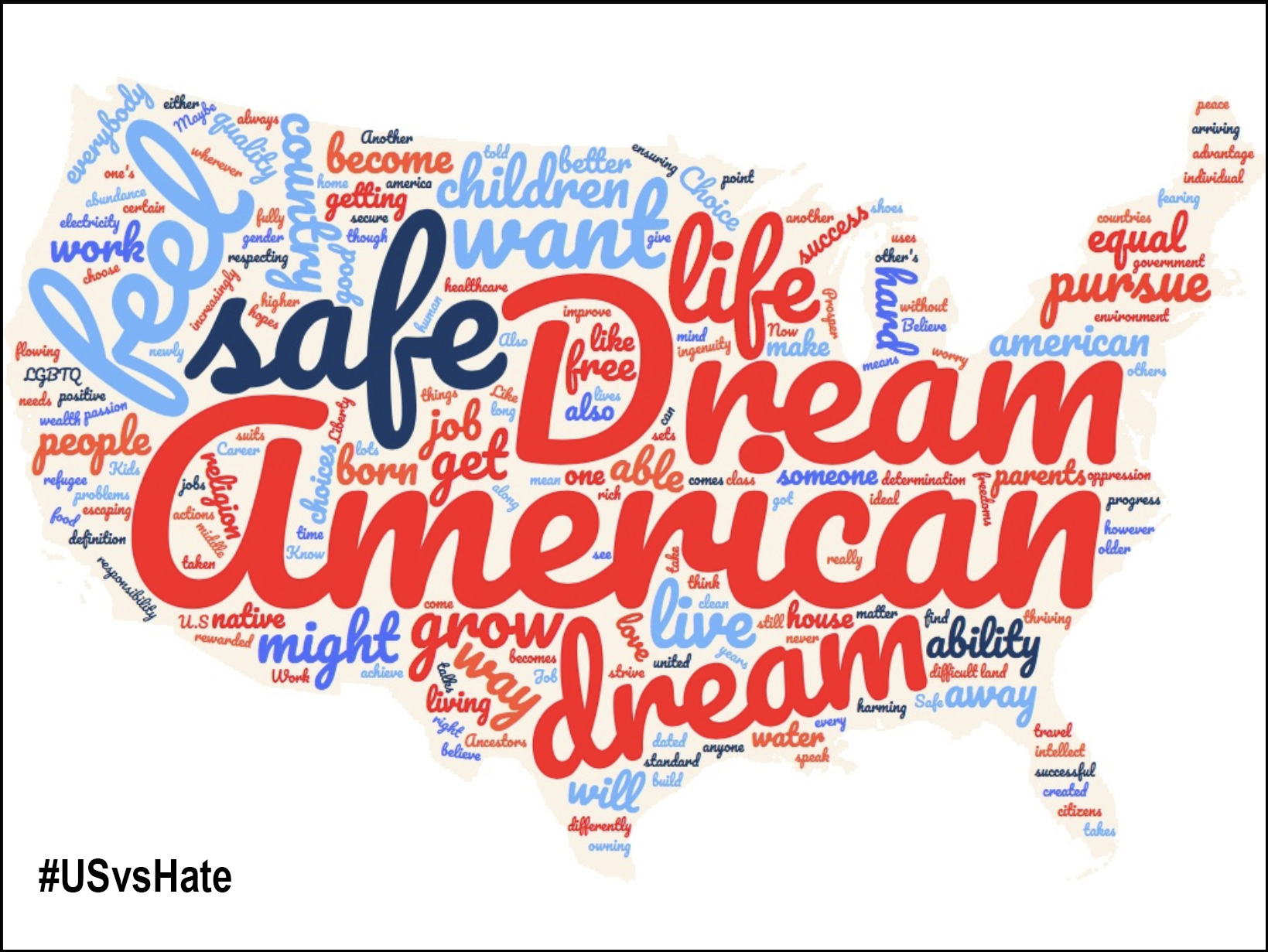
What is #USvsHate?

#USvsHate is an educator- and youth-led anti-hate messaging project designed to counter bigotry and create safe and welcoming classrooms.

What are anti-hate messages?

  • Explicitly address hate, bias and injustice
  • Communicate that all people are equally valuable
  • Celebrate diversity
  • Ask that all people be treated kindly, fairly, and respectfully

Submissions can be in any media: posters, videos, computer arts, performance arts, murals, poetry, essays, collaborative class projects, etc.

How can my class participate?

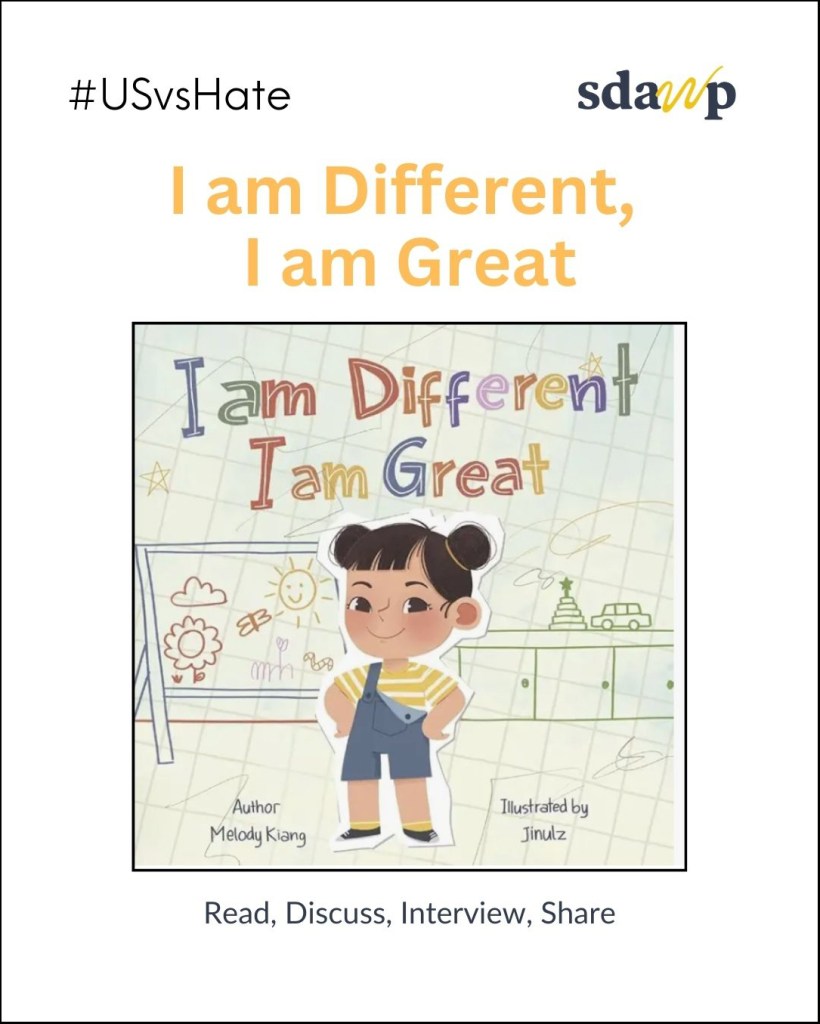
I Am Different, I Am Great

From the classroom of Caroline Write (SDAWP 2017)

I Am Different, I Am Great tells the story of Mei Mei, a young girl who feels different because she has an accent. The story is based on author Melody Kiang’s own childhood experiences. Kiang, who developed an accent while living in Singapore for six years as a child, was enrolled in English as a Second Language classes and had to attend speech therapy sessions when she returned to Canada.

Like Kiang and her character Mei Mei, many students with accents face unique challenges, including the attitudes of peers and teachers. Teasing or bullying can impact self-esteem and lead to feelings of pressure to speak without an accent in an attempt to fit in. Additionally, teachers may unconsciously associate an accent with academic ability, influencing their expectations and interactions with students.

Educators can support children with accents by seeking to understand the barriers they face. Building inclusive classroom environments that celebrate linguistic diversity and pride in identity can help bridge these challenges.

How do you support your students with accents? What books and resources help you build a welcoming community for all students, including those with accents?

Listen to a powerful interview with an adult who shares the challenges he faced while learning English, including the way he is treated due to his accent HERE.

The reel linked HERE includes ideas for using I Am Different, I Am Great in your classroom along with suggestions for having students conduct their own interviews.

Resources:

Articles and Research:

More books about accents and language differences:

Red: A Crayon’s Story

Red: A Crayon’s Story by Michael Hall explores identity, acceptance, and finding the courage to be who you are. 

The story is about a crayon labeled red that actually colors blue. Others try to help him, but Red can’t meet the expectations of his paper label. With encouragement from a new friend, Red colors blue and discovers his true self.

How do you support your students in embracing their unique identities? What resources do you use to empower students to be themselves, especially when facing peer pressure or the desire to fit in?

Link to lesson reel HERE.

Resources:

Red: A Crayon’s Story read aloud

Lesson plan from Welcoming Schools

Teacher Guide from Harper Collins

Teacher Notes from Harper Collins

Related books:

Frankencrayon by Michael Hall, a companion to Red: A Crayon’s Story

Be Who You Are by Todd Parr

Voice: Developing Your Message

From the Classroom of Courtney Kleffman (SDAWP 2020)

In her TED Talk, “Using Your Voice is a Political Choice,” Amanda Gorman emphasizes the importance of speaking out in spite of the fears that may hold us back. She poses two questions.

  • “Whose shoulders do you stand on?” 
  • “What do you stand for?”

The lesson steps outlined below can guide classroom discussions and reflective writing that lead to the creation of impactful anti-hate messages.

How do you help your students understand the importance of standing for something and expressing it? What texts and resources do you use to teach your students that their voices are powerful and can be used to create positive change in their communities?

Link to lesson reel HERE.

Step 1: Watch

Watch Amanda Gorman’s TED Talk: “Using Your Voice is a Political Choice.”

Step 2: Write

Gorman poses two questions to her poetry workshop participants:

  • “What path do we stand on as a people?
  • What future, as a people, do we stand for?”

Write in response to the two questions:

  •  I stand on the shoulders of…
  • I stand for…
Step 3: Prewriting 

Students will begin developing their #USvsHate products by thinking through the connection between their:

  • Message / what you stand for
  • Audience
  • Purpose
  • Genre

Landon, 5th grade, Student Sample

Step 4: Create and share student messages

Landon, 5th grade. Spring 2024 Special Call Winner 

Landon—Special Call Winning Message

Change Sings

From the classroom of Caroline Wright (SDAWP 2017)

Change Sings: A Children’s Anthem by Amanda Gorman is an inspiring picture book that encourages young people to believe in their ability to create positive change. Through poetic language, Gorman tells the story of a girl who leads others in acts of kindness, showing that even small actions can make a big difference. Illustrated by Loren Long, the book emphasizes themes of unity, diversity, and social justice, making it a powerful read about the impact everyone can have on their communities.

How do you encourage your students to recognize that their voices matter? What books and resources do you use to help them speak up for justice? In what ways do you create opportunities for students to take action on issues that are important to them? 

Link to lesson reel HERE.

Resources:

Related books:

More by Amanda Gorman:

6 Words for the Environment

Six Words for the Environment is an engaging and easy way to celebrate Write Out — Poetry for the Planet with students of all ages. Crafting 6-word statements will challenge young writers to create brief messages in appreciation of nature.

Kim Douillard’s first grade class created a mini-posters for their favorite 6-word statements.

SDAWP Fellow Ann Zivotsky introduced her fifth grade students to climate change. Here is what they had to say in 6 words:

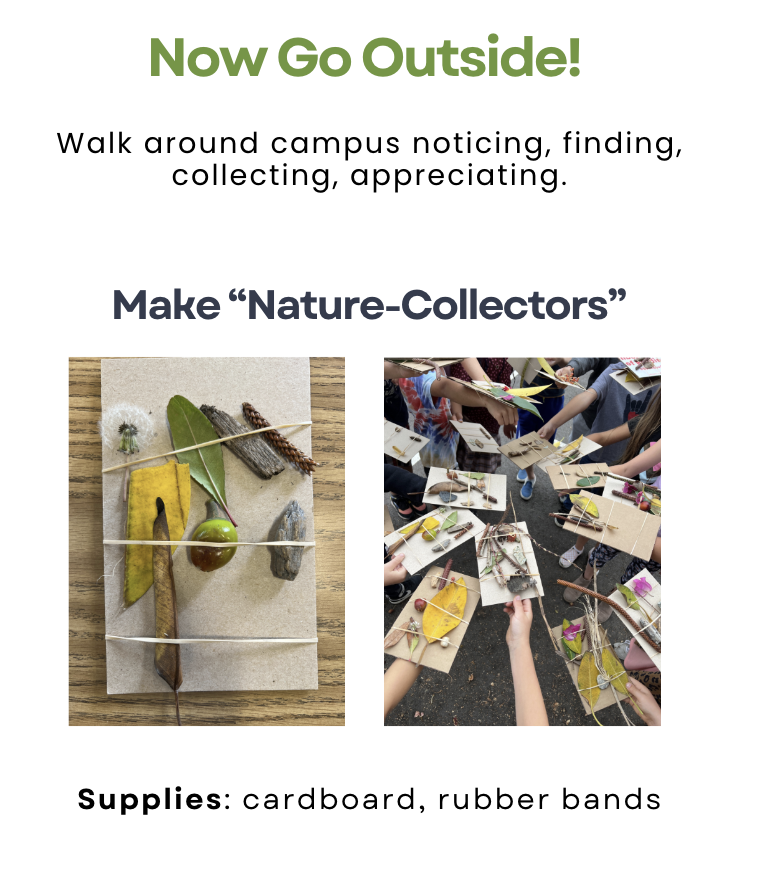
Now it’s your turn! Take your class outside to observe and appreciate nature. Try writing Six Words for the Environment with your students and let us know how it goes by posting and tagging #SDAWPWriteOut24.

Join the Write Out thread in the Write Now Teacher Studio for more ideas and inspiration.

Resources:

6 Words for the Environment by Kim Douillard

Inspiring Eco-Warriors Through Writing by Ann Zivotsky

We Are All Connected

From Janis Jones (SDAWP 1994) and the classroom of Leslie Engel

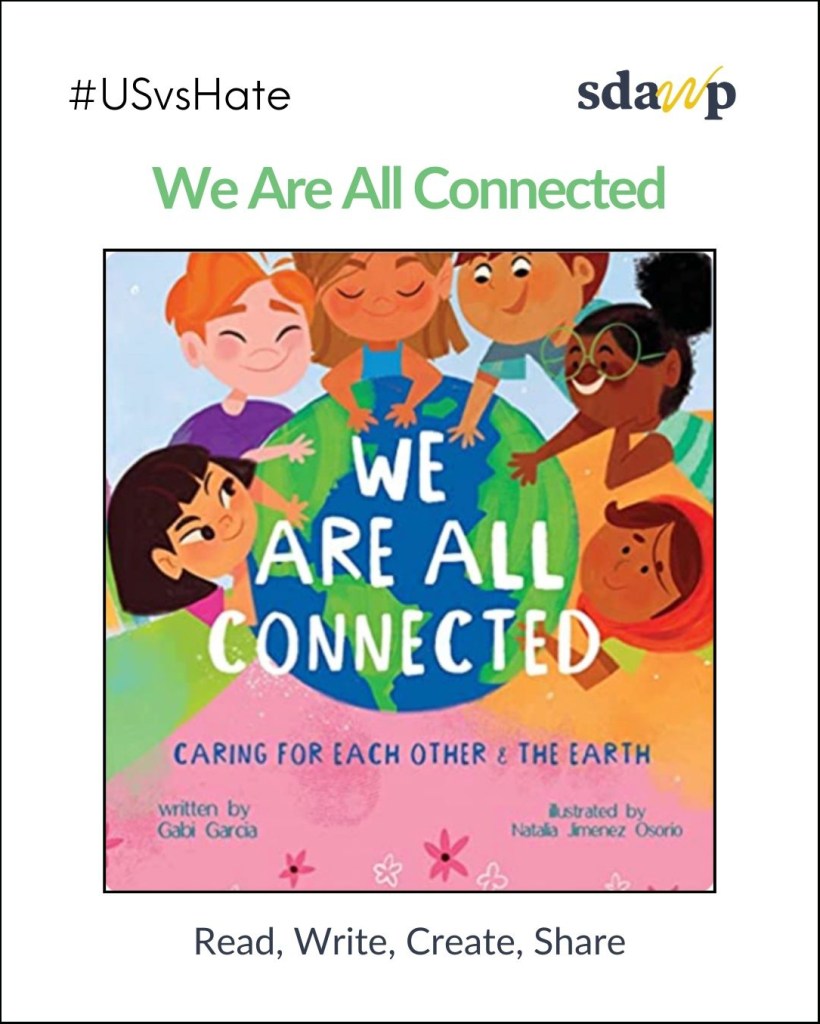
We Are All Connected by Gabi Garcia offers poetic reminders of the inextricable connections we share with one another and the planet. The book emphasizes that by caring for both each other and Earth, we can make the world a better place.

After reading We Are All Connected, students will engage in a discussion about the connections highlighted in the book and will explore what it means to be connected. They will then write their own statements of connection on large blank puzzle pieces, which will be assembled into a bulletin board display.

How do you help your students understand that the way we treat each other and what we do matters because everyone and everything is connected? What activities or resources do you use to demonstrate the concept of interconnectedness? 

Link to lesson reel HERE.
We can all love each other.
We are all people.
We are beautiful.
We can help the world.
We are all human. 
We have each other. 
We have integrity. 
We can make the world a better place.
We can all do the right thing.
Resources:
Related book:
Jigsaw puzzle resources:

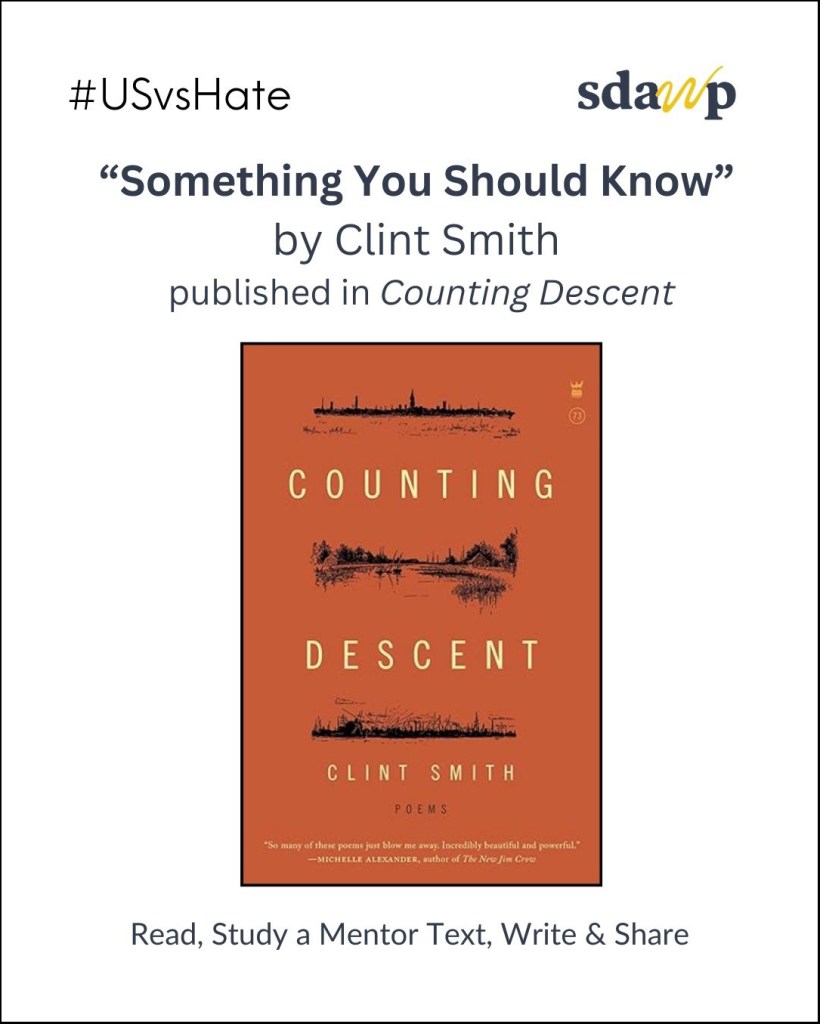
Something You Should Know

From the Classroom of  Courtney Kleffman (SDAWP 2020)

“Something You Should Know” by Clint Smith explores identity and personal experience, making it an impactful teaching tool for developing empathy and understanding. By crafting their own “Something You Should Know” poems and sharing them with others, students reflect on their personal histories, enhancing their self-awareness and fostering deeper connections with peers.

What mentor texts have you used to inspire students to create poems of self-reflection? How have you incorporated poetry to help students better understand themselves and one another?

Link to lesson reel HERE.

Resources:

Books by Clint Smith:

Talking Gets Us There

From the classroom of Cindy Duran (SDAWP 2021)

The animated version of Amanda Gorman’s poem “Talking Gets Us There” is part of PBS KIDS’ series Talking to Young Children About Race and Racism. The series includes resources to help navigate conversations about race and can serve as a springboard for classroom discussions and reflective writing.

Cindy Duran inspired her 4th graders to lift a line from the poem and write their own reflections after watching the video. The powerful piece below, written by one of her students, exemplifies what young people are capable of when given the opportunity.

“People have been treated unfairly; Just because of their race” 

It starts way back 

When our ancestors were as young as us 

Treated like dirt just because of what color we saw 

Their lives were sold away like bread from the market 

To owners who have no care or thoughts for them 

We signed a law and said, “Hurray!” 

Yet the unfairness in treatment still happens today 

People are still not given the same opportunity 

All of their opinions still pushed away 

 Now as we get older our moment is here 

To stop all this and say “Enough is Enough” 

So our family and friends don’t have to keep suffering 

It is now our turn to end this    

View the lesson reel HERE.

Resources:

More by Amanda Gorman:

Related video:

Find more books at The Conscious Kid on Instagram

Dreamers

From the classrrom of Caroline Wright (SDAWP 2017) 

Dreamers by Yuyi Morales is the story of the author’s immigration journey with her young son. It can serve as a springboard for a class discussion about the resilience of immigrants and the possibilities they envision for themselves and their families. 

What texts and resources do you use to teach students about immigration and the experiences of immigrants? How do you inspire your students to tell their own immigration stories? How do you help students develop empathy and understanding for those who search for opportunity in unknown places? 

Link to lesson reel HERE.

Resources:

Video reading by Yuyi Morales

Dreamers Kit from Holiday House

Educator Guide from the Anti-Defamation League

Parent/Family Discussion Guide from the Anti-Defamation League 

Resources from Teaching Books

Meet Yuyi Morales from Scholastic News

What the Data Says About Immigrants in the U.S. from Pew Research Center

Spanish-language edition and related resources:

Spanish Read Aloud of Soñadores

Dreamers Kit in Spanish from Holiday House

Teaching Resources in Spanish from Teaching Books

Related books:

Areli is a Dreamer: A True Story by Areli Morales

Where Are You From? by Yamile Saied Méndez 

Islandborn by Junot Díaz 

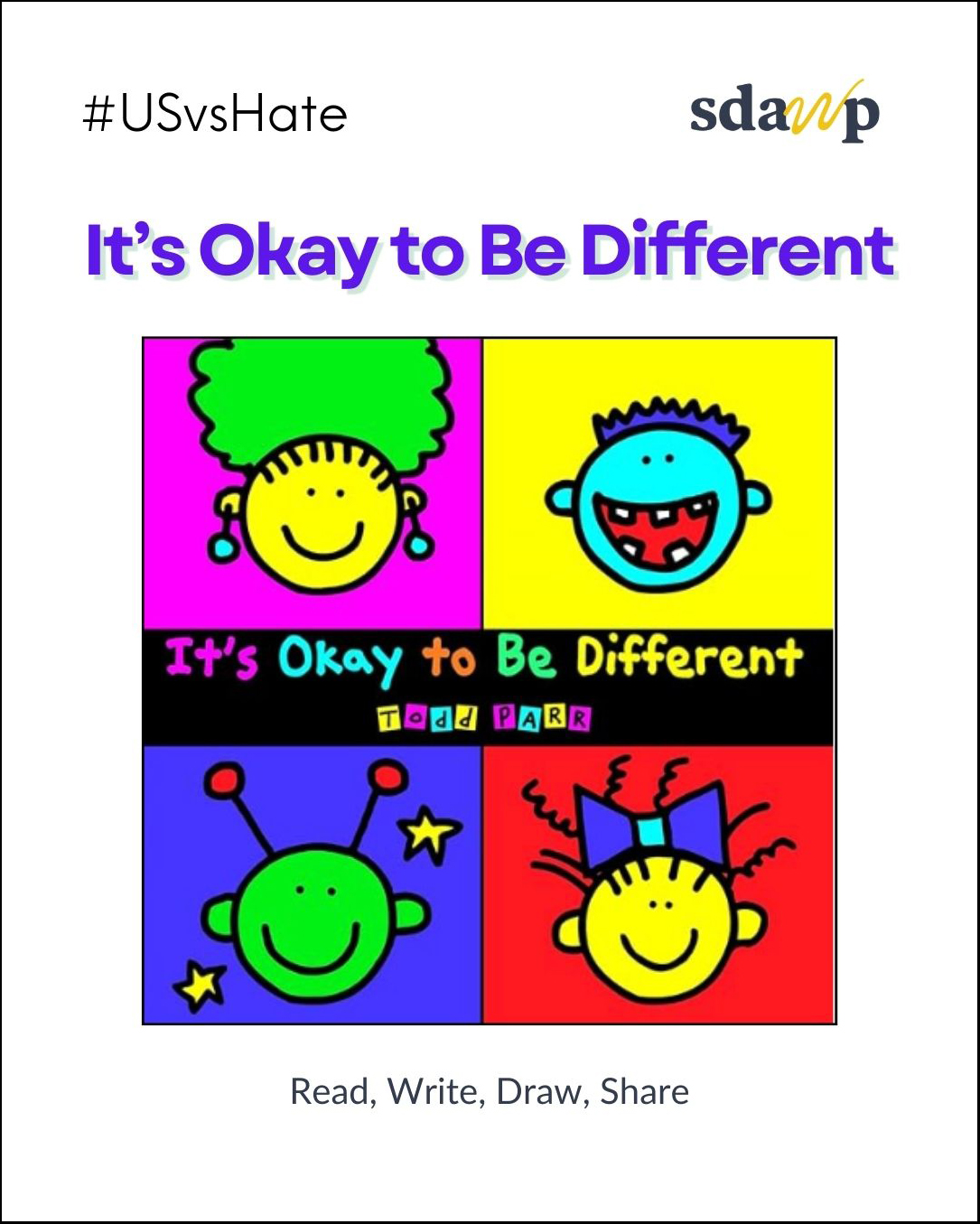
It’s Okay to Be Different

It’s Okay to Be Different celebrates the uniqueness in each of us and encourages young people to embrace their individuality. Whether someone wears glasses, has braces, plays sports, enjoys music, or is tall or short, our differences make us who we are. By recognizing and celebrating these unique qualities, children learn that we don’t have to look the same or like the same things to respect and accept each other—and ourselves.

How do you help your students celebrate their uniqueness? What resources do you use in your classroom to help them recognize and honor differences as you build an inclusive school community? 

Link to lesson reel HERE.

Resources:

It’s Okay to Be Different video read aloud by Todd Parr

The Teacher’s Guide to the World of Todd Parr —Activity Guide by Little Brown and Company

It’s Okay to Be Different lesson plan from Learning for Justice

Resources from Teaching Books

Bilingual English-Spanish edition: It’s Okay to Be Different / Está bien ser diferente (Spanish and English Edition)

Related Books:

More Books by Todd Parr

It’s Okay to Feel Different lesson plan from Learning for Justice 

Be Who You Are lesson plan from Welcoming Schools 

The Family Book lesson plan from Welcoming Schools

A Normal Pig by K-Fai Steele