
A Writing Hope Kit: Blessing on the Nature of the Cat
By Doria Ruhl (SDAWP 2024) During SDAWP’s Spring Conference on Saturday, March 1st, I attended Stacey Goldblatt’s session on constructing a Hope Kit through writing. Of the many ways to write for resilience — so excitedly and interestingly presented by Stacey — I chose to write a blessing inspired by the mentor text provided, “Blessing on the…


Strongly, Patiently, Imperfectly: The Craft of Revision
From the classroom of Wendy Schramm (SDAWP 2016) There are times when it pays to sit next to a master and allow their hand to rest gently over yours and guide your pen as you write. This is the sense of comfort that I try to instill in my students as they work with mentor…
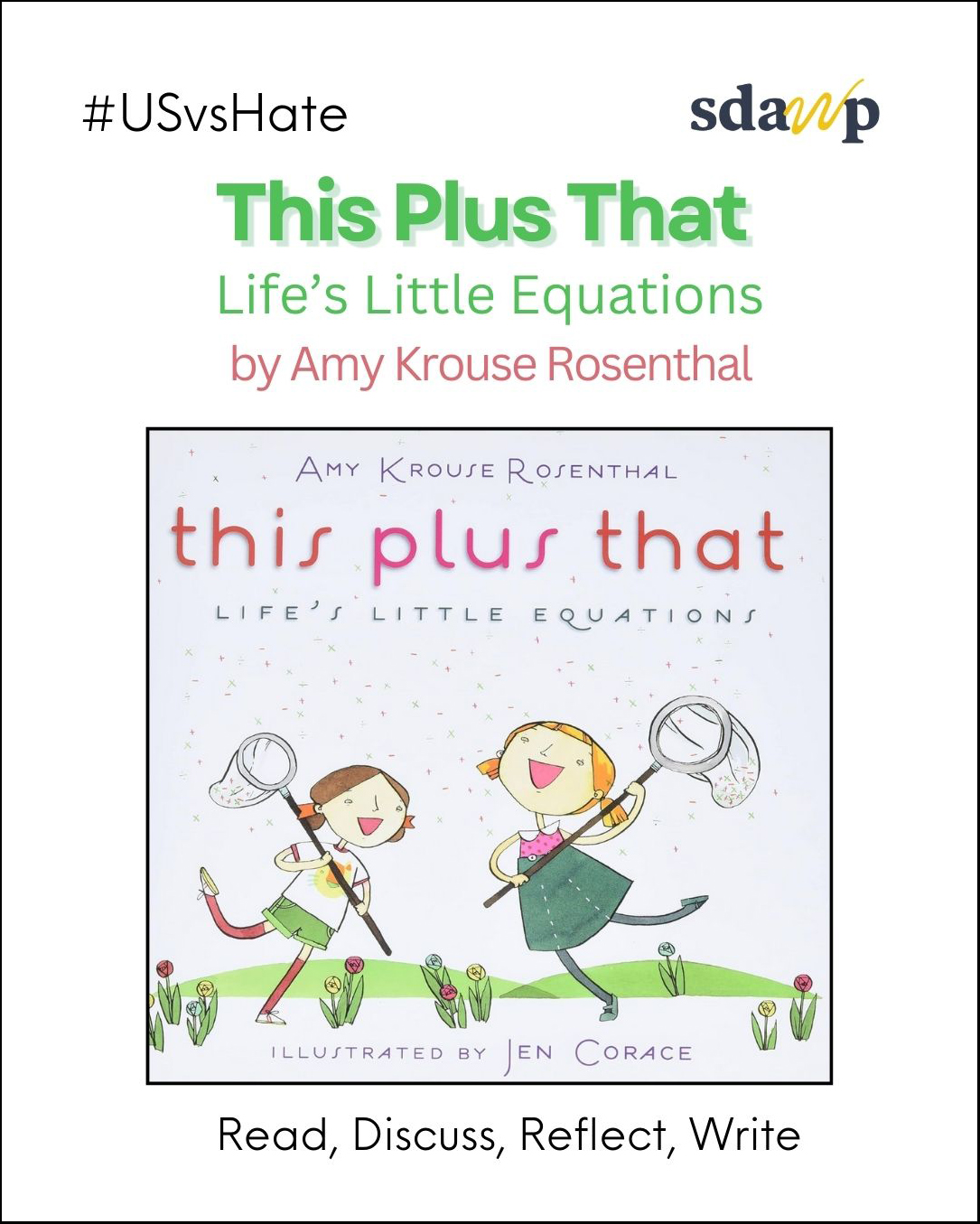
This Plus That
From the classroom of Miriam Sikking (SDAWP 2010) This Plus That: Life’s Little Equations, written by Amy Krouse Rosenthal and illustrated by Jen Corace, explores everyday moments and relationships through simple math equations. This unique format is an invitation to see the ordinary in unique ways. In this lesson, students will reflect on the elements…

Disambiguation
From the classroom of Courtney Kleffman (SDAWP 2020) “Mexican American Disambiguation” by José Olivarez examines the complexities of bicultural identity and explores what it means to be Mexican in the United States. In this lesson, students will read and analyze the poem before crafting their own poems of disambiguation. The companion slide deck created by Courtney Kleffman is an…

Use Your Voice with Amanda Gorman
From Janis Jones (SDAWP 1994) and the classroom of Sarah Spinks Coming Together is a Sesame Street campaign designed to help children embrace their identities in a diverse world. In the “Use Your Voice” video, Amanda Gorman, Bert, and Ernie demonstrate how our voices can be used in powerful and impactful ways. After watching the…
Six-Word Identity Stories
A six-word story is a concise form of writing that tells a story or makes a statement in just six words. Legend has it that Ernest Hemingway once bet fellow writers he could craft a complete story in only six words. He then wrote on a napkin: “For sale: baby shoes, never worn.” Writing six-word…

Stop the Hatred
From the classroom of Courtney Kleffman (SDAWP 2020) “Stop the Hatred” by Wyclef Jean and MC Jin is a powerful music video that advocates for unity to combat racism. The title was inspired by MC Jin’s son, who shouted “Stop the hatred” during a protest rally. The lyrics promote understanding while emphasizing the need for…

My Voice is a Trumpet
From the classroom of Anne Bartholomew (SDAWP 2019) My Voice Is a Trumpet, by country music artist Jimmie Allen, celebrates the power of self-expression and encourages young people to make their voices heard. The story illustrates that everyone’s voice—regardless of age or background—can make a difference. How do you encourage your students to recognize that…

#USvsHate: Student voices are needed now more than ever!
Easy steps for submitting student messages: Step 1: Go to the #USvsHate Learn More page Step 2: Scroll down to “How do I submit?” Step 3: Review the #USvsHate Submission Checklist and complete all required items. Step 4: Complete the simplified #USvsHate Submission Form. What is #USvsHate? #USvsHate is an educator- and youth-led anti-hate messaging…

I Am Different, I Am Great
From the classroom of Caroline Write (SDAWP 2017) I Am Different, I Am Great tells the story of Mei Mei, a young girl who feels different because she has an accent. The story is based on author Melody Kiang’s own childhood experiences. Kiang, who developed an accent while living in Singapore for six years as…

Red: A Crayon’s Story
Red: A Crayon’s Story by Michael Hall explores identity, acceptance, and finding the courage to be who you are. The story is about a crayon labeled red that actually colors blue. Others try to help him, but Red can’t meet the expectations of his paper label. With encouragement from a new friend, Red colors blue…

Voice: Developing Your Message
From the Classroom of Courtney Kleffman (SDAWP 2020) In her TED Talk, “Using Your Voice is a Political Choice,” Amanda Gorman emphasizes the importance of speaking out in spite of the fears that may hold us back. She poses two questions. The lesson steps outlined below can guide classroom discussions and reflective writing that lead…
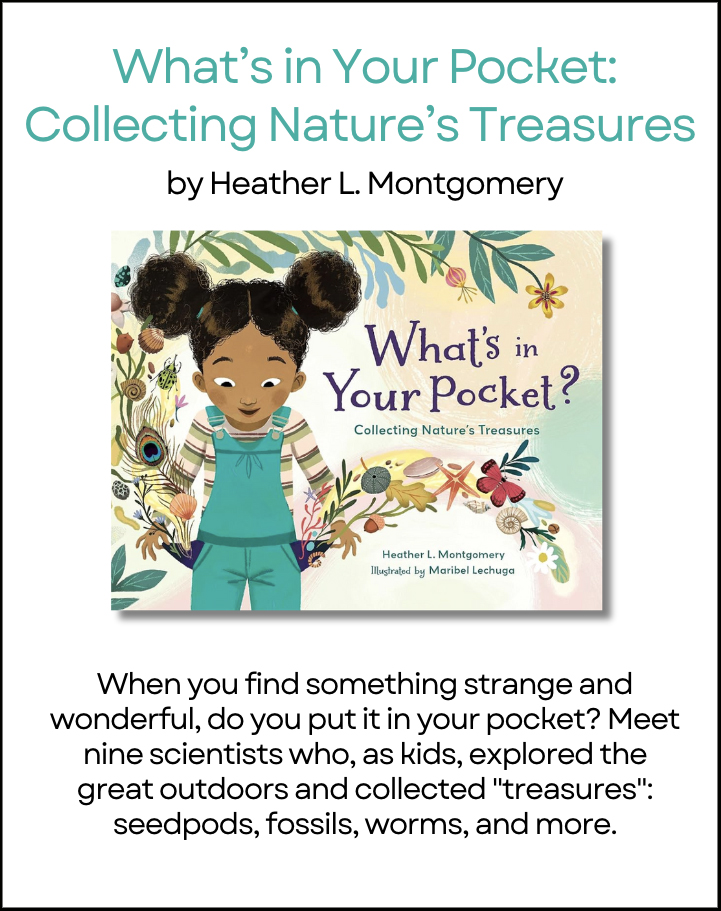
Noticing Nature
From the classroom of Kim Douillard (SDAWP 1992) How can we help students observe the natural world around them as if they’ve never seen it before? Using mentor texts is one way to encourage them to look closely and find inspiration for writing.

Change Sings
From the classroom of Caroline Wright (SDAWP 2017) Change Sings: A Children’s Anthem by Amanda Gorman is an inspiring picture book that encourages young people to believe in their ability to create positive change. Through poetic language, Gorman tells the story of a girl who leads others in acts of kindness, showing that even small actions…
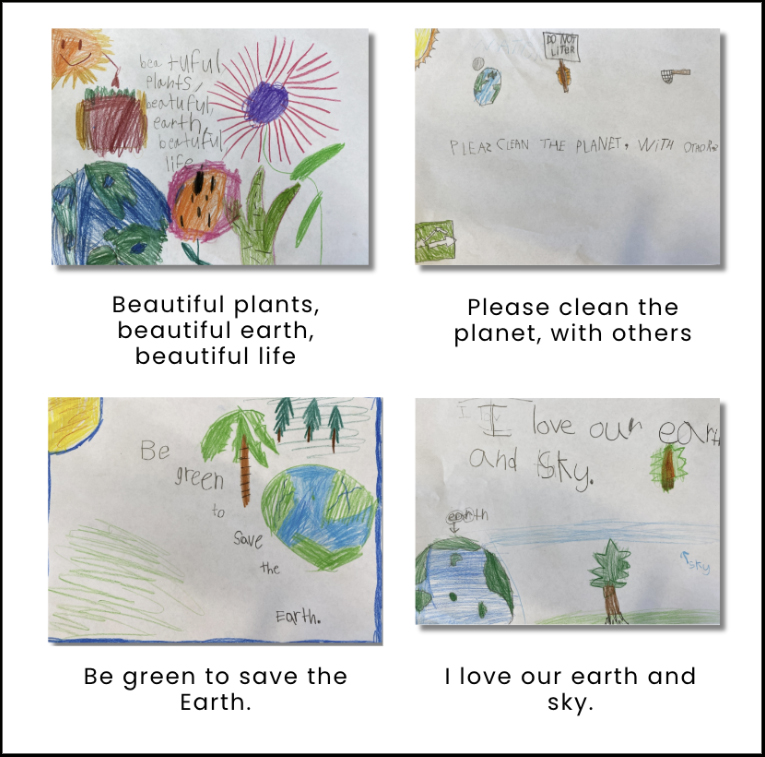
6 Words for the Environment
Six Words for the Environment is an engaging and easy way to celebrate Write Out — Poetry for the Planet with students of all ages. Crafting 6-word statements will challenge young writers to create brief messages in appreciation of nature. Kim Douillard’s first grade class created a mini-posters for their favorite 6-word statements. SDAWP Fellow…
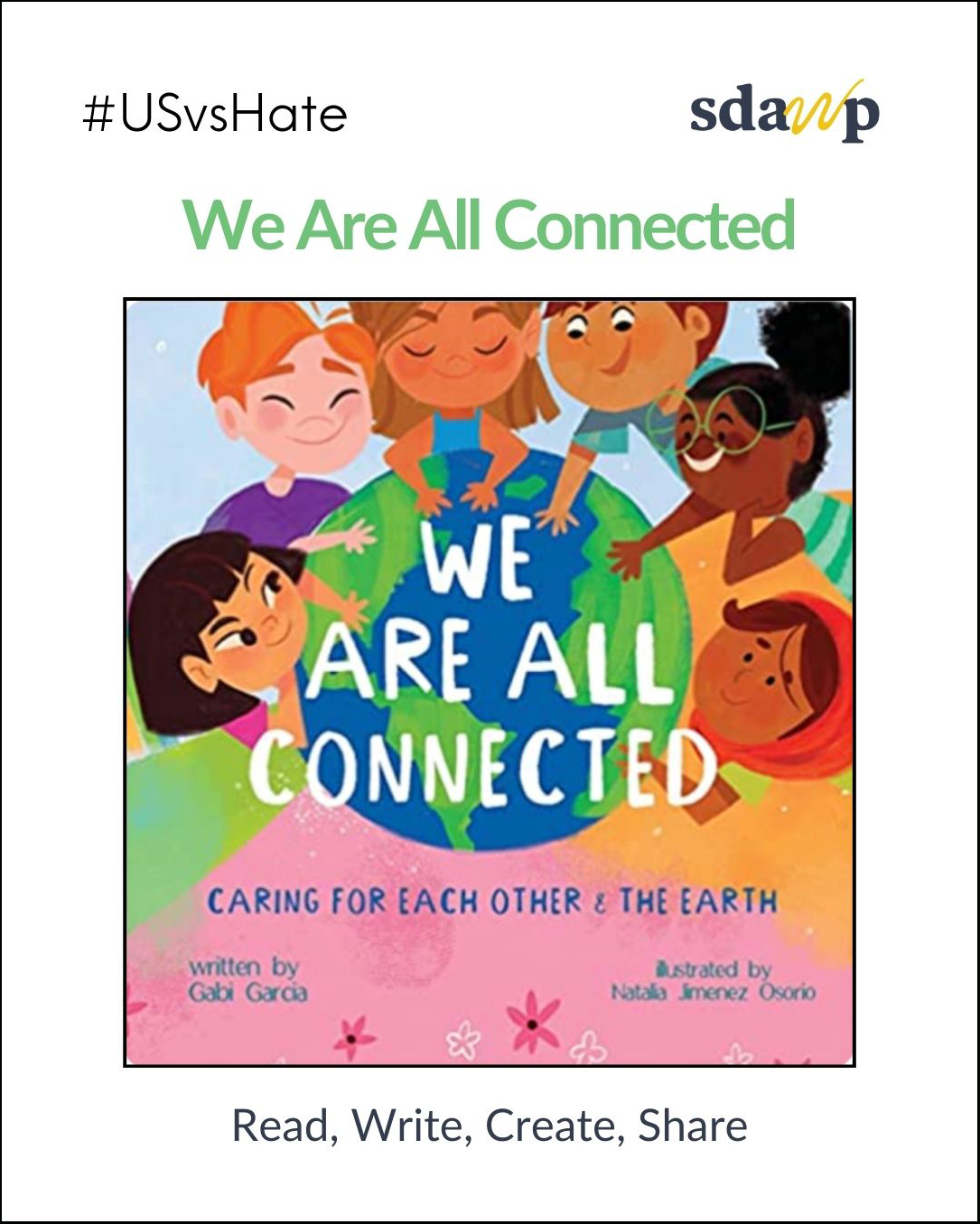
We Are All Connected
From Janis Jones (SDAWP 1994) and the classroom of Leslie Engel We Are All Connected by Gabi Garcia offers poetic reminders of the inextricable connections we share with one another and the planet. The book emphasizes that by caring for both each other and Earth, we can make the world a better place. After reading We Are…

Something You Should Know
From the Classroom of Courtney Kleffman (SDAWP 2020) “Something You Should Know” by Clint Smith explores identity and personal experience, making it an impactful teaching tool for developing empathy and understanding. By crafting their own “Something You Should Know” poems and sharing them with others, students reflect on their personal histories, enhancing their self-awareness and fostering deeper connections with…
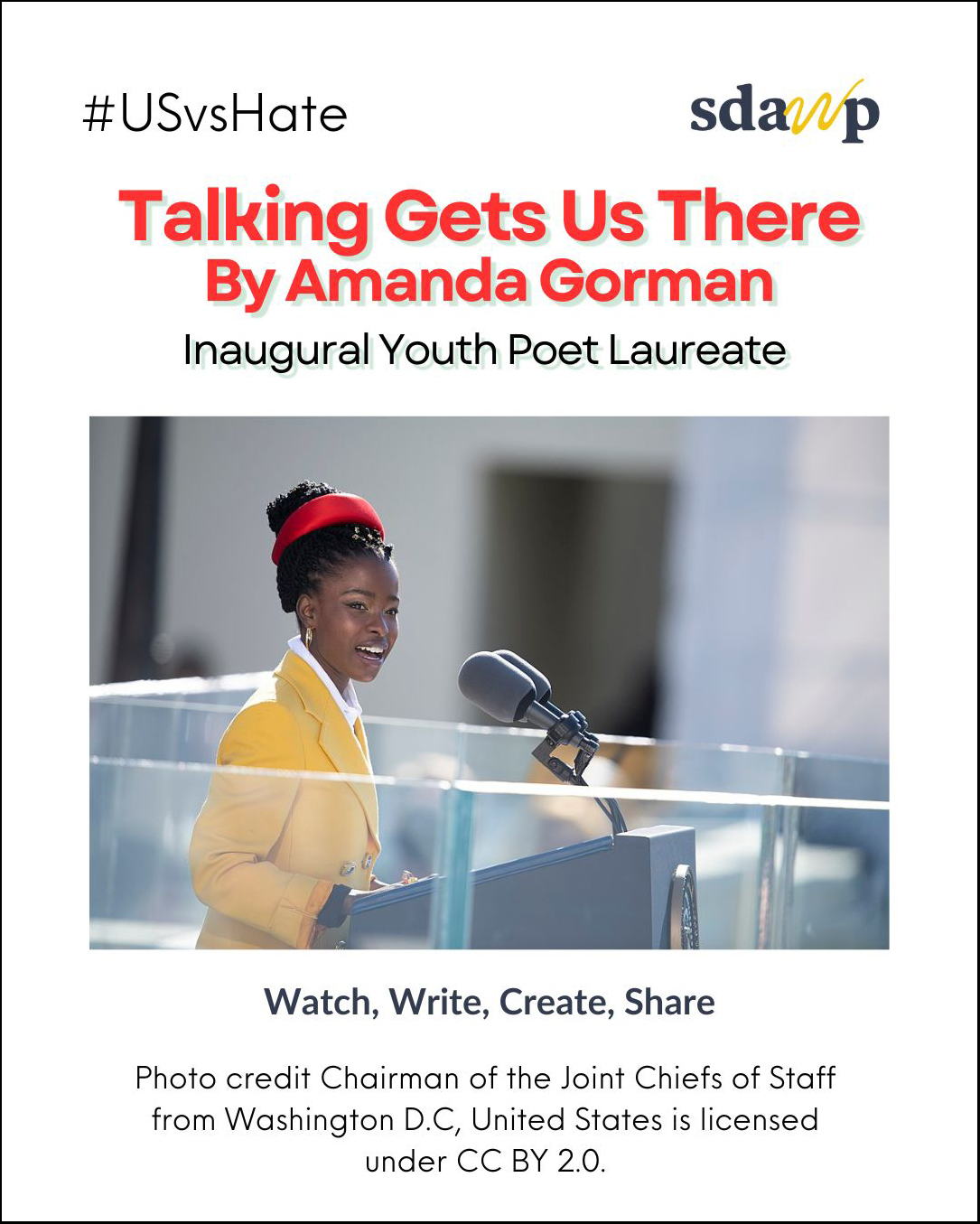
Talking Gets Us There
From the classroom of Cindy Duran (SDAWP 2021) The animated version of Amanda Gorman’s poem “Talking Gets Us There” is part of PBS KIDS’ series Talking to Young Children About Race and Racism. The series includes resources to help navigate conversations about race and can serve as a springboard for classroom discussions and reflective writing. Cindy…

Dreamers
From the classrrom of Caroline Wright (SDAWP 2017) Dreamers by Yuyi Morales is the story of the author’s immigration journey with her young son. It can serve as a springboard for a class discussion about the resilience of immigrants and the possibilities they envision for themselves and their families. What texts and resources do you use…

It’s Okay to Be Different
It’s Okay to Be Different celebrates the uniqueness in each of us and encourages young people to embrace their individuality. Whether someone wears glasses, has braces, plays sports, enjoys music, or is tall or short, our differences make us who we are. By recognizing and celebrating these unique qualities, children learn that we don’t have to…

Dictionary for A Better World
From the classroom of Anne Bartholomew (SDAWP 2019) Dictionary for a Better World by Irene Latham and Charles Waters is an inspiring book organized as a dictionary. ”Each entry presents a word related to creating a better world, such as ally, empathy, or respect. For each word, there is a poem, a quote from an…

All Hands In
From the classroom of Cindy Duran (SDAWP 2021) All Hands In invites students to celebrate their uniqueness in a collaborative collage that creates a visual representation of their classroom community. How do you help your students celebrate their uniqueness? How do you help them recognize and honor differences as you build an inclusive classroom community?…


Appreciating Differences and Acknowledging Stereotypes
From the classroom of Caroline Wright (SDAWP 2017) The “Appreciating Differences and Acknowledging Stereotypes” resource from Welcoming Schools prompts conversation about how groups of people can share similarities and differences, while highlighting how stereotypes can prevent us from seeing each other as unique individuals View the “Appreciating Differences and Acknowledging Stereotypes” lesson plan reel HERE. For a related lesson, visit…

Recognizing and Countering Stereotypes
From the classroom of Cindy Duran (SDAWP 2021) The short animated video, Stereotypes for Kids: What are Stereotypes? explains that our brains are wired to categorize things. However, when we categorize people, we make assumptions based on superficial traits, overlooking the unique qualities of individuals. By explicitly teaching young people to recognize and challenge stereotypes, they learn…

Building Community with “My Name”
From the classroom of Miriam Sikking (SDAWP 2010) Now that the new school year is underway for many of us, it’s important to take time to recognize and honor student identities as we work to build inclusive school communities. At #SDAWP, we often turn to the powerful “My Name” excerpt from The House on Mango Street…

“Where I’m From”
From the classroom of Miriam Sikking (SDAWP 2010) The tried-and-true “Where I’m From” poem used as a mentor text encourages students to reflect on their experiences and the everyday things that shape their identities. Inspired by George Ella Lyon’s poetry, students delve into their personal histories to create powerful pieces about who they are. Sharing…
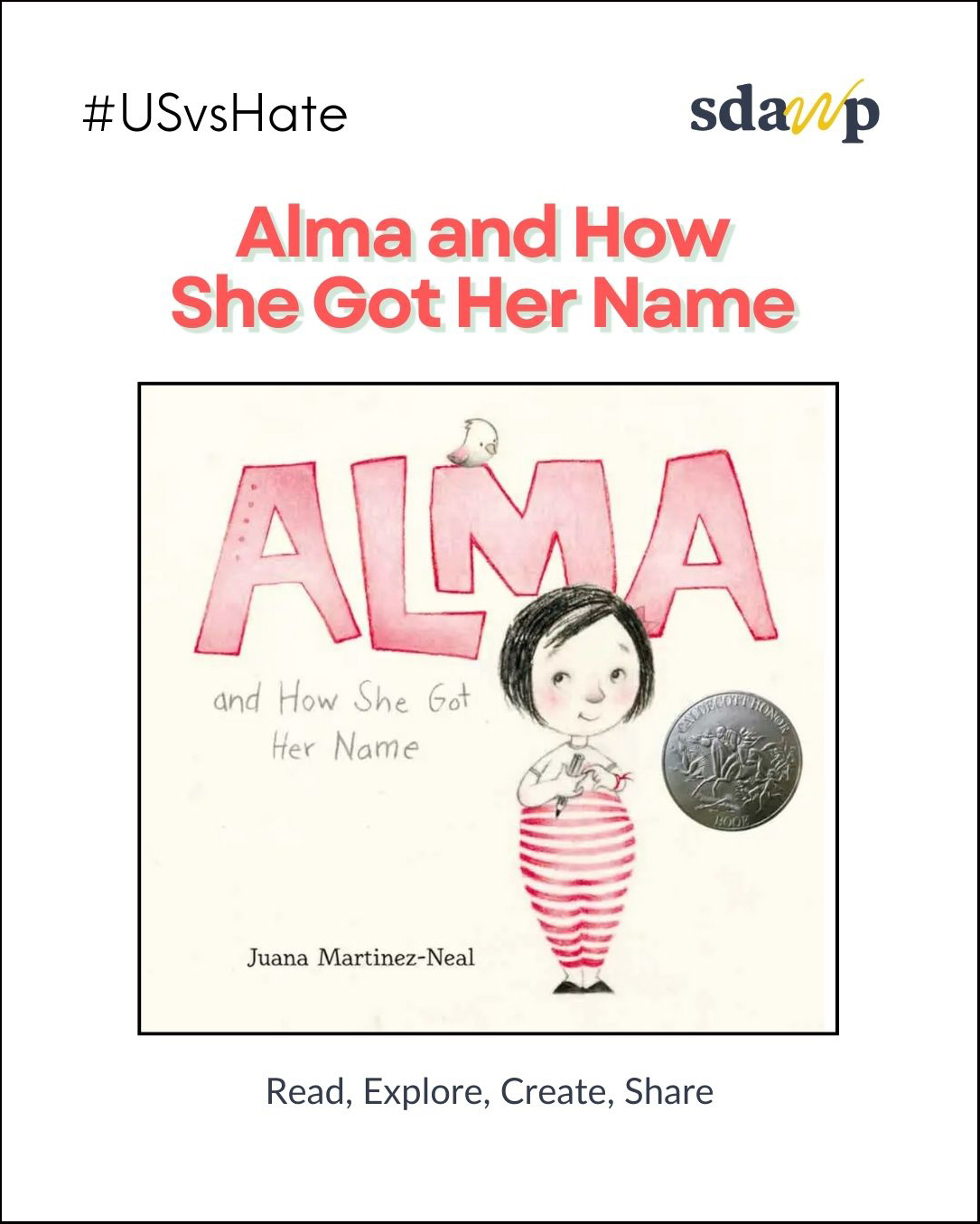
Building Community Through Identity: Names
From the classroom of Cindy Duran (SDAWP 2021) Now is the time to build an inclusive school community. Over the next few weeks, we will share some lessons #SDAWP teachers have used to build community in their classrooms. We’d love to know how you create a safe and inclusive community in your classroom and adapt materials to…

How do you help your students celebrate their uniqueness?
The Welcoming Hands activity from Welcoming Schools invites “students to explore the beauty of human skin tone variation as they work together to create a visual representation of their community with artistic hands that represent them individually and collectively.” How do you help your students celebrate their uniqueness? How do you help them recognize and…
 SDAWP Voices